- Medikaur
- (Inside samedaydoctor Canary Wharf)
-
56 Dockyard Lane
South Quay
London
E14 9YK
Stimulate natural collagen production and improve skin texture with clinician-led microneedling
60 to 90 minutes
24 to 48 hours of redness
1 to 2 weeks
Up to 12 months following a course
Fine lines, acne scarring, uneven texture, enlarged pores, and improving overall skin quality
Skin needling, also known as microneedling, is a non-surgical treatment that stimulates collagen and elastin production by creating tiny, controlled micro-injuries in the skin. These almost invisible pinpricks trigger the skin’s natural repair response, encouraging gradual renewal over time.
Collagen is one of the key building blocks of firm, resilient skin. As levels gradually decline with age, you may notice fine lines, rough texture, enlarged pores, acne scarring, or areas that no longer look as smooth as they once did.
Skin needling supports gradual structural improvement from within. Rather than adding volume or altering facial movement, it works with your skin’s natural healing processes.
At Medikaur in Canary Wharf, skin needling is delivered using a medical-grade automated device with sterile, single-use tips. Depth and technique are carefully tailored to your skin type, concern, and treatment area. The goal is visible improvement while keeping the skin supported and healing well.
While skin needling is most commonly used on the face, neck and décolletage, it can also be used on areas of the body where skin texture or scarring is a concern, including stretch marks on the abdomen, thighs, or buttocks.
01
02
03
04
05
06
The skin appears red and flushed, similar to mild sunburn. You may also notice slight swelling or pinpoint marks in treated areas.
Redness gradually settles, though the skin may feel warm, tight, or slightly sensitive.
Mild dryness or light flaking can occur as the skin renews.
Early improvements in texture and brightness begin to feel more noticeable.
Collagen stimulation becomes more evident, particularly after repeated treatments.
Continued improvement following a full course, as collagen remodelling develops over time.
01
02
03
04
Skin needling, also known as microneedling, is a treatment that uses very fine needles to create tiny, controlled micro-injuries in the skin. This stimulates your skin’s natural repair response and encourages new collagen and elastin production over time.
Skin needling is commonly used to improve uneven texture, fine lines, enlarged pores, acne scarring, pigmentation, and mild skin laxity. It supports overall skin quality rather than targeting just one isolated line or wrinkle.
A topical anaesthetic cream is applied before treatment to keep you comfortable. Most people describe the sensation as pressure or vibration rather than pain. Some areas of the face may feel more sensitive than others, but the procedure is generally very manageable.
You should expect redness a bit like mild sunburn for 24 to 48 hours. Some people experience light flaking or dryness for a few days afterwards. Most people return to normal daily activities the following day.
Some improvement can be seen after one treatment, but best results are usually achieved with a course of treatments spaced around four weeks apart. The exact number depends on your skin concern and how your skin responds.
Collagen stimulation continues for several months after a course of treatments. Improvements in texture and tone can last up to 6 to 12 months, particularly when supported with good skincare and sun protection.
When carried out by an experienced medical professional using sterile, medical-grade equipment, skin needling is considered a safe and well-established treatment for improving skin texture and quality. Suitability is always assessed during your consultation.
Skin needling can help reduce the appearance of shallow acne scars by stimulating collagen production in the treated area. Deeper scars may require additional or alternative treatments, which can be discussed during consultation.
Acne scarring usually requires a course of treatments, often four to six sessions spaced four weeks apart. The exact number depends on the depth and type of scarring.
Skin needling and chemical peels improve different aspects of skin quality. Needling focuses on collagen stimulation and texture, while peels primarily exfoliate the surface. The most suitable option depends on your skin concern.
Skin needling may not be suitable if you are pregnant, have active skin infections, uncontrolled acne, certain skin conditions, or a history of abnormal scarring. Your suitability will always be assessed before treatment.
Skin needling is most effective when planned as a course. Treatments are typically spaced four weeks apart to allow collagen stimulation to develop progressively.
During your consultation, we’ll discuss which treatment area and course length is likely to give you the most meaningful improvement. Clear pricing is always provided before treatment begins.
01
02
03
04
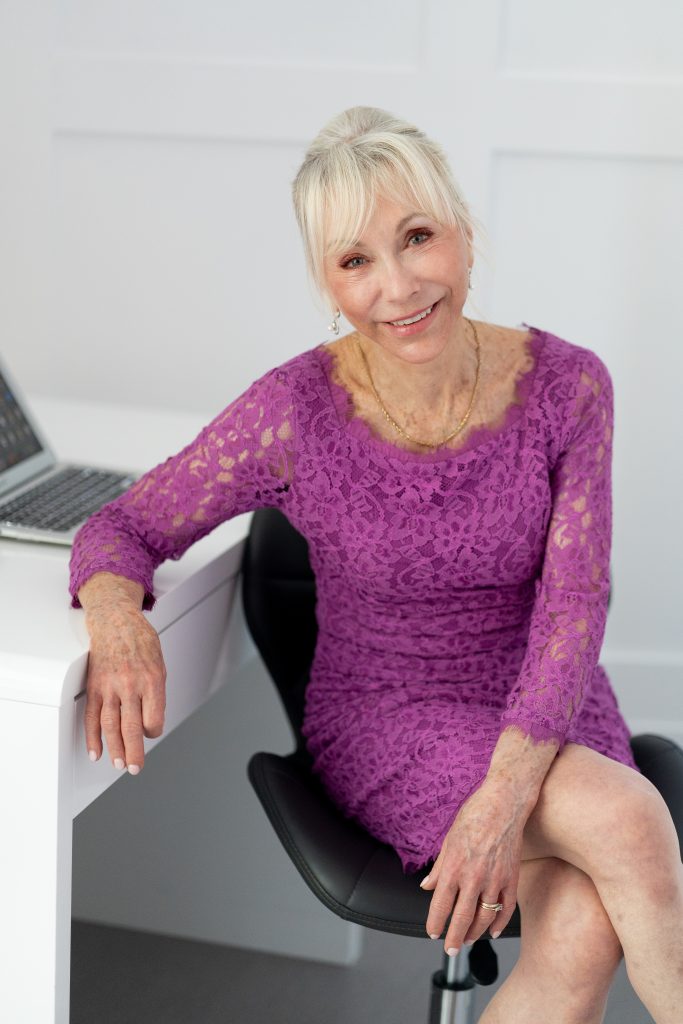
Skin needling may appear straightforward, but achieving consistent, safe results relies heavily on experience and judgement.
Jane Paterson is an Advanced Aesthetic Nurse Practitioner with extensive experience in skin assessment and injectable treatments. She understands how different skin types respond to controlled stimulation, and how factors such as sensitivity, pigmentation risk, and scarring history influence treatment planning.
Depth selection is not arbitrary. Treating too superficially limits results; treating too aggressively can increase downtime or unwanted side effects. Jane carefully tailors depth and technique to the area being treated and your individual skin goals.
She also considers the wider picture. Skin needling is rarely a stand-alone solution. It often works best as part of a structured skin plan that includes appropriate skincare, spacing of treatments, and realistic timelines.
Patients often choose Jane because they value a measured, clinician-led approach that prioritises skin health as much as visible improvement.
If you’re noticing changes in texture, tone, or firmness and would like to explore whether skin needling is right for you, the next step is a consultation.
SCHEDULE YOUR CONSULTATION TODAY
Join our mailing list for monthly updates including new blog posts, skin guidance, exclusive seasonal offers, and invitations to clinic events.
We use cookies to help our website work properly and understand how it is used. You can accept all cookies, deny optional cookies or choose your preferences.